Why should a workplace log near-misses when nobody was actually hurt in the incident?
The preventive power hidden in the incidents that almost happened.
A near-miss is an injury that did not happen, which makes it a warning you got for free, since the same hazard could hurt someone next time. Logging near-misses lets patterns become visible, builds a blame-free culture where people speak up, and lets you fix hazards before harm occurs.
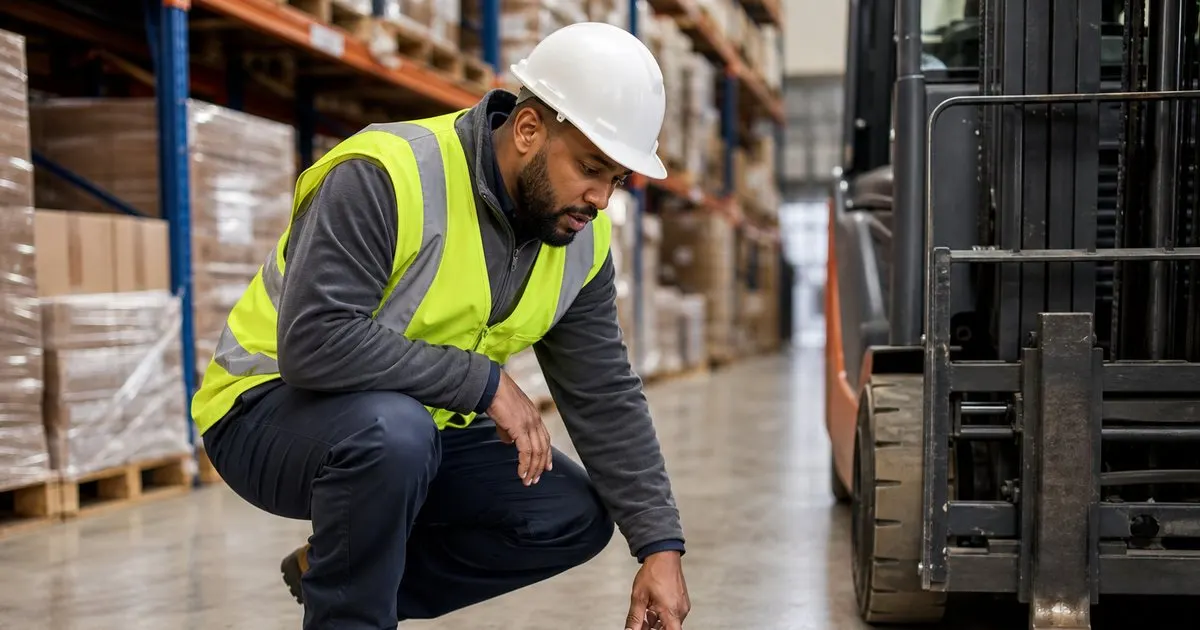
Near-misses are free warnings
A near-miss is an injury that did not happen, which makes it a warning you got for free. Ignoring it wastes the lesson. Related: Why do so many workplace injuries happen to new hires during their first few weeks on the job?
The same hazard could hurt someone next time.
Keep reading: How can a workplace make incident reporting fast enough that frontline workers actually use it?, How do you make sure a workplace safety alert reaches the right person immediately?, Why is tracking corrective actions to completion the most important part of incident management?. See how SafetyPingr helps you workplace safety incident logging and alerts.
Patterns predict injuries
Many near-misses of the same kind point to a hazard waiting to cause harm. The pattern is the signal.
Logging them lets the pattern become visible.
A culture of reporting
Encouraging near-miss reports without blame builds a workforce that speaks up. Silence is what lets hazards persist. Related: How can a manager encourage workers to report hazards without fear of being blamed?
People report more when reporting is easy and safe.
Acting before harm
A logged near-miss lets you fix the hazard before it becomes an incident. Prevention is cheaper than response. Related: What should a supervisor do in the first hour after a worker is injured on the job?
Catching it early is the whole point.
- A near-miss is a free warning about a real hazard
- Patterns of near-misses predict future injuries
- Blame-free reporting builds a speak-up culture
- Logging lets you fix hazards before harm occurs

Julien Jimenez
Julien Jimenez is an independent software builder based in Paris. He designs, ships, and operates focused SaaS products for small businesses and independent professionals. Read the full author page.
Frequently asked questions
How do near-misses predict future injuries?
Many near-misses of the same kind point to a hazard waiting to cause harm, and the pattern is the signal. Logging them lets that pattern become visible before someone is hurt.
How does blame-free reporting help?
Encouraging near-miss reports without blame builds a workforce that speaks up, since silence is what lets hazards persist. People report more when reporting is easy and safe.
Log Incidents, Alert The Right People
Workplace safety incident logging and alerts. SafetyPingr is built to help you put this into practice.
Start free trialMore from the SafetyPingr blog

Get the SafetyPingr playbook
Practical guides on workplace safety, straight to your inbox as we publish them. No spam, unsubscribe any time.