What should a supervisor do in the first hour after a worker is injured on the job?
The first hour after an injury sets the tone for the worker's recovery, the investigation, and the company's legal standing. A step-by-step order of operations for the person in charge.
Care first, everything else second
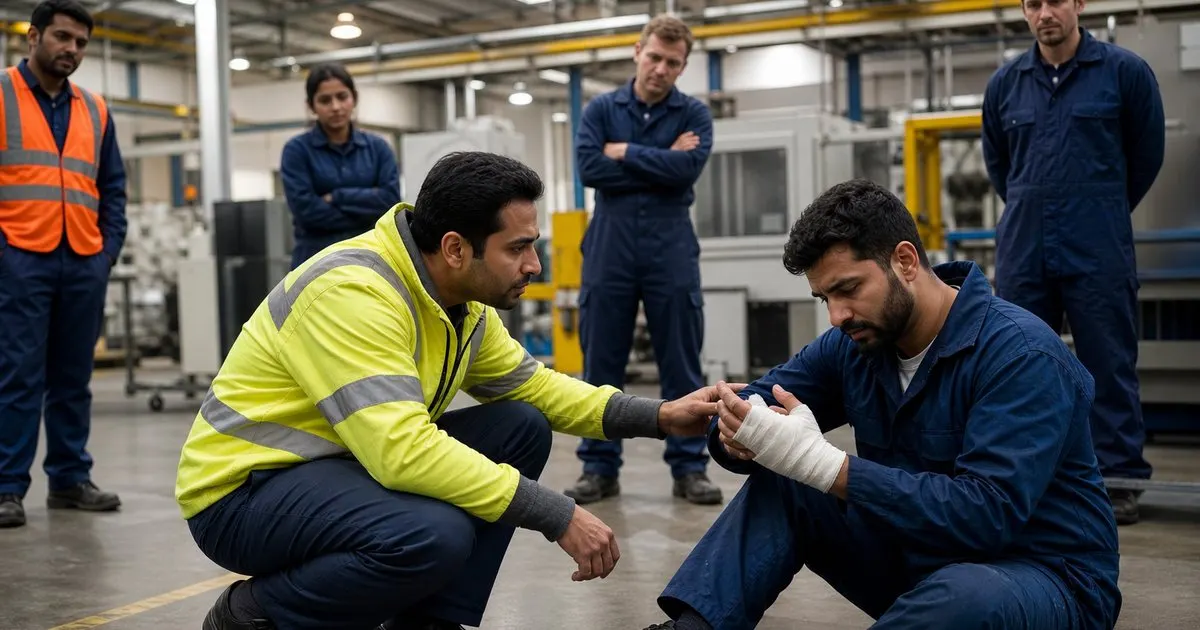
The first minutes belong entirely to the injured person. Get to them, assess whether they need emergency services, and call if there is any doubt. Do not let concern about the cost of an ambulance or the paperwork of a recordable case slow that call by a single second; a delayed response to a serious injury is both a moral failure and, in the end, far more expensive. If the injury is minor, get them to first aid and stay with them or assign someone to. Nobody should be left alone after being hurt, even for a scraped hand, because shock and delayed symptoms are real. Related: Why should a workplace log near-misses when nobody was actually hurt in the incident?
While that is happening, make sure the hazard that caused the injury cannot hurt the next person. Stop the machine, block the aisle, shut the valve, or clear the area, whatever fits. Then send the rest of the crew away from the scene with a clear instruction: nobody touches anything, and nobody posts anything. People want to help and want to talk, and both instincts can damage the investigation and the injured person's privacy. Give them a task elsewhere and tell them you will brief them soon. Related: How do you make sure a workplace safety alert reaches the right person immediately?
Keep reading: Why should a workplace log near-misses when nobody was actually hurt in the incident?, How can a workplace make incident reporting fast enough that frontline workers actually use it?, How do you make sure a workplace safety alert reaches the right person immediately?. See how SafetyPingr helps you workplace safety incident logging and alerts.
Secure the scene and preserve what happened
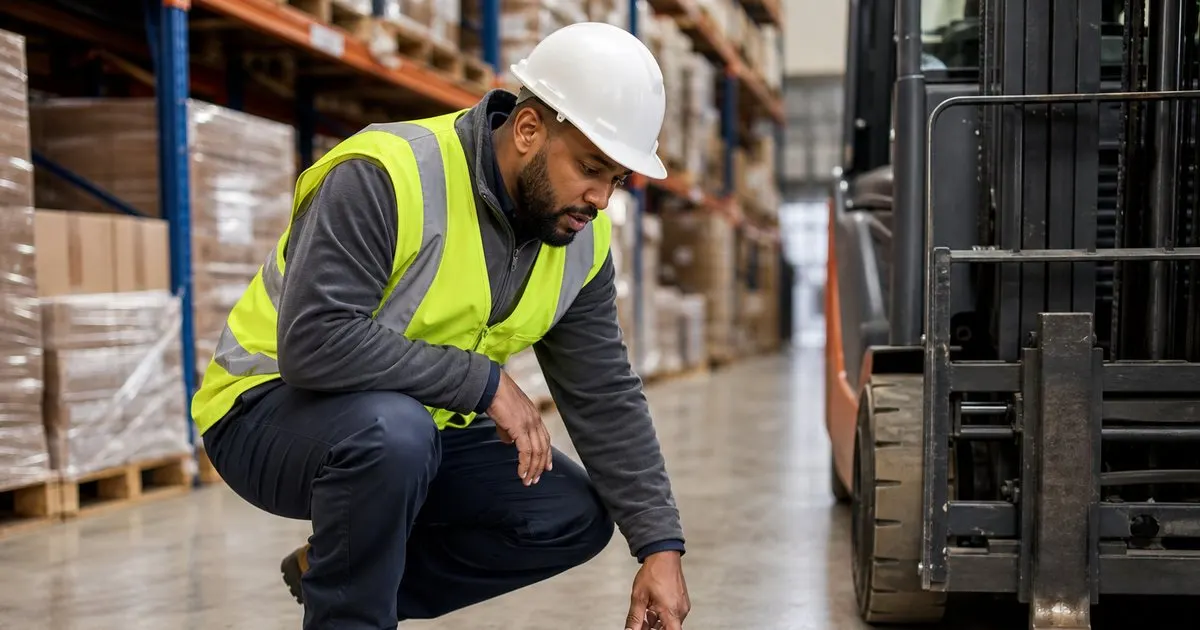
Once the person is being cared for, the scene is the next priority, because it is perishable. Take photographs from several distances and angles before anything is moved: wide shots that show the layout, medium shots that show the equipment and the position of things, and close shots of the specific point of injury. Photograph gauges, controls, guards, lighting, floor conditions, and anything that could plausibly have contributed. If there are physical items involved, such as a broken tool or a failed strap, set them aside and label them rather than throwing them away.
Write down, right then, who was present and where they were standing. Memory of who saw what degrades fast and gets contaminated by the conversations that follow. If the facility has cameras, find out immediately how long footage is retained and ask for the relevant window to be saved, since many systems overwrite within days. None of this is about assigning blame. It is about making sure that when the root cause analysis happens, it is working from facts rather than reconstructions. Related: How can an EHS manager spot workplace safety trends before they turn into serious injuries?
Notify the right people and know the reporting clock
Your company should have a defined chain: who calls whom, in what order, within what time. Typically that is the site manager, the safety lead, human resources, and, for anything beyond first aid, the workers' compensation carrier. If you do not have that chain written down, write it today, because a supervisor with a bleeding worker in front of them should not have to figure it out. Some of these calls can wait an hour; the ones about care and hazard control cannot.
Know the federal reporting deadlines cold. Under federal OSHA rules, a work-related fatality must be reported to OSHA within eight hours, and an inpatient hospitalization, amputation, or loss of an eye must be reported within twenty-four hours. Many states with their own programs have similar or stricter rules. These clocks start at the event or at the moment the employer learns of it, and missing them creates a separate problem on top of the injury itself. Make sure the person responsible for those calls knows they are responsible before anything happens. Related: How can a workplace make incident reporting fast enough that frontline workers actually use it?
Capture the initial report while it is fresh, without interrogating anyone
Within the first hour, and certainly before the shift ends, get a basic factual account into your incident log: what happened, when, where, who was involved, what the immediate response was, and what hazard controls were put in place. Do not wait for the full picture. A short accurate entry now can be expanded later; a detailed entry written three days later from memory will contain errors nobody can detect. If your system lets you attach the scene photos to the entry, do that now too, before the phone that took them goes home.
Talk to the injured worker only when they are ready, and keep it to what happened, not why. The first conversation should feel like concern, because it is. Questions that sound like blame within the first hour will shape how every worker in the building thinks about reporting for years. Tell the injured person what happens next, who will follow up with them, and that the goal is to prevent it from happening to anyone else. Then follow through on that promise, because they will be watching to see if you meant it.
- Emergency care and stopping the hazard come before every other consideration, without exception.
- Photograph the scene from wide to close, preserve physical items, and save any camera footage before it is overwritten.
- Know the federal reporting deadlines for fatalities and hospitalizations and who is responsible for making the call.
- Log a short factual entry within the hour and speak to the injured worker with concern, not questions about fault.

Julien Jimenez
Julien Jimenez is an independent software builder based in Paris. He designs, ships, and operates focused SaaS products for small businesses and independent professionals. Read the full author page.
Log Incidents, Alert The Right People
Workplace safety incident logging and alerts. SafetyPingr is built to help you put this into practice.
Start free trialMore from the SafetyPingr blog


Get the SafetyPingr playbook
Practical guides on workplace safety, straight to your inbox as we publish them. No spam, unsubscribe any time.