
Workplace Safety
Why should a workplace log near-misses when nobody was actually hurt in the incident?
The preventive power hidden in the incidents that almost happened.
Practical, honest advice from the team behind SafetyPingr, written to help you do this well.
The preventive power hidden in the incidents that almost happened.

Removing the friction that stops busy workers from reporting.
Designing alert routing so serious incidents never sit unnoticed.
The step that actually prevents the next incident, and the one most often dropped.

Turning day-to-day logging into documentation an inspector will respect.

Reading the patterns in your incident data to act ahead of harm.
Building the blame-free culture that makes safety reporting actually happen.

Clarifying what a logging tool does and where formal obligations remain.

Keeping standards uniform when incidents happen in many places at once.
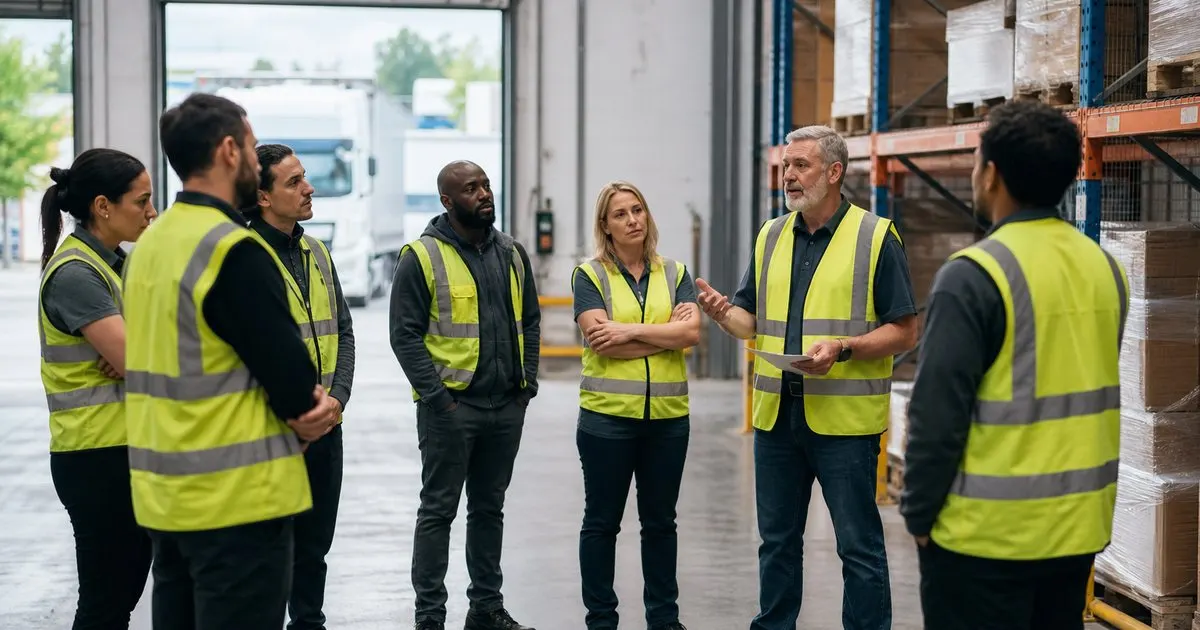
Most toolbox talks are forgotten before the shift starts. Here is how to pick a topic, run it in ten minutes, and make it stick.
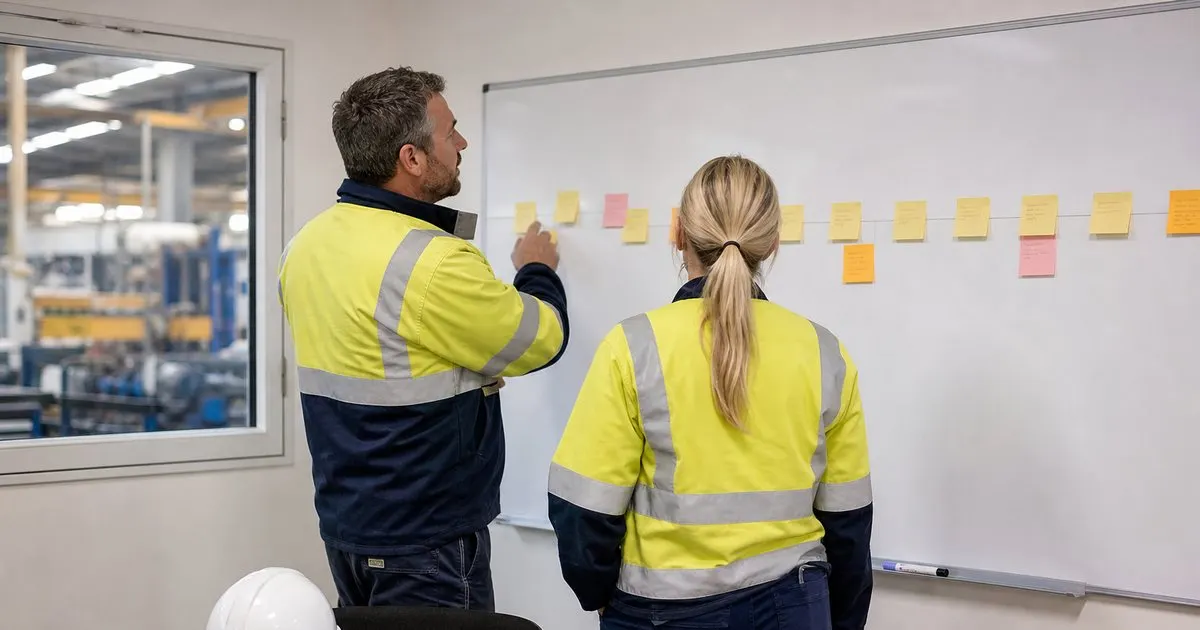
A good root cause analysis finds the conditions that made the incident likely, not just the person closest to it. Here is a practical method that fits a small team.
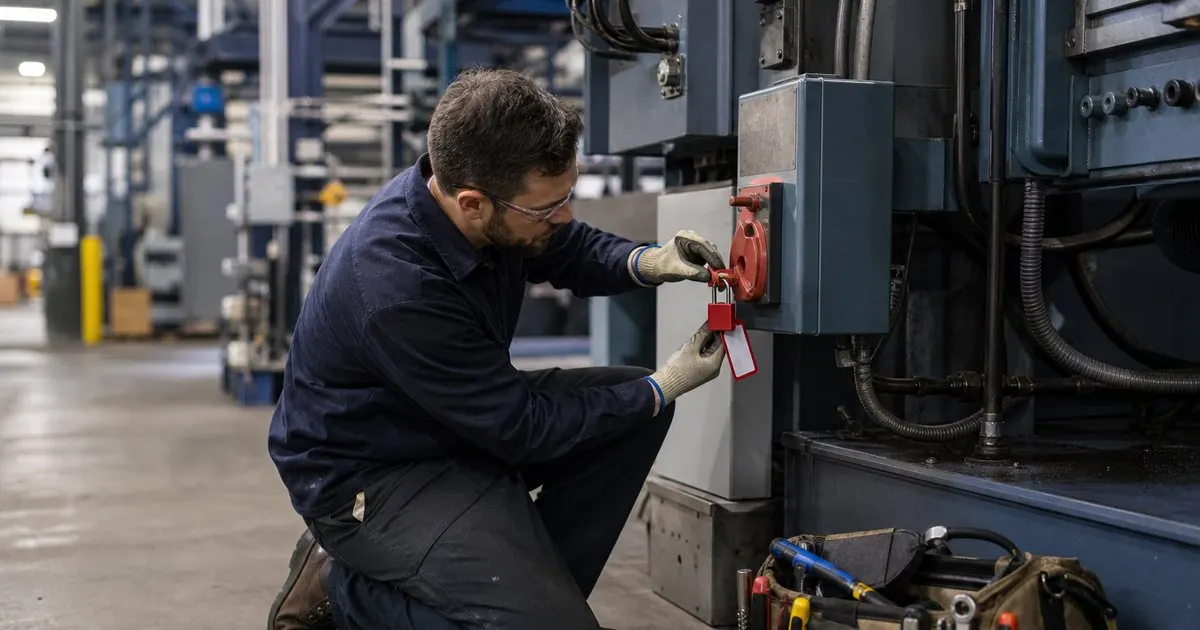
Almost every facility has a lockout tagout procedure on file. Incidents keep happening anyway. Here is where the gap between the document and the floor usually comes from.
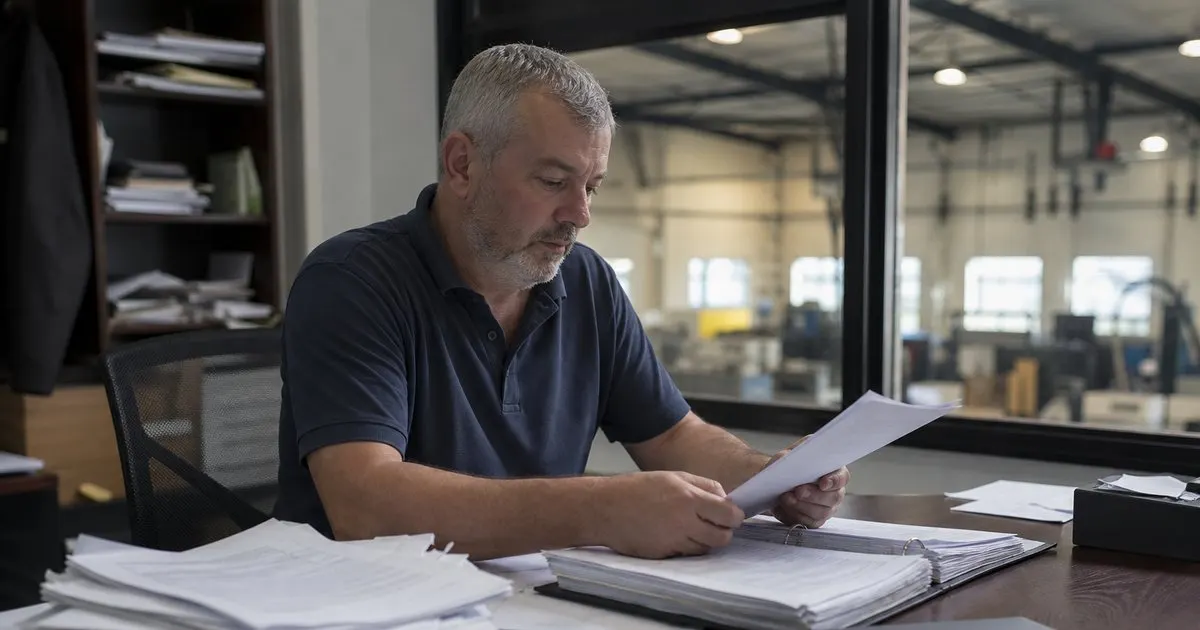
Paper and spreadsheets work fine until they suddenly do not. An honest look at the signs that your safety record has outgrown its container, and what to do about it.

The injury rate tells you what already went wrong. A handful of leading indicators tells you what is about to. Here is a short list that a small team can actually maintain.
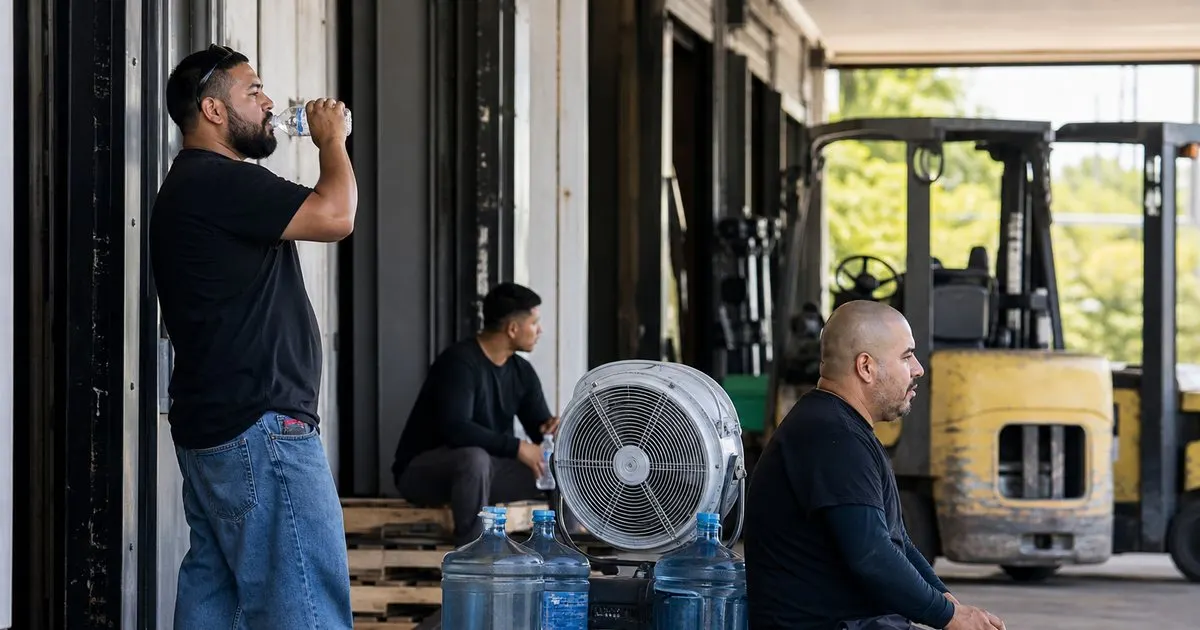
Heat turns ordinary tasks into hazards and turns a normal near miss into a heat-stress signal. Here is what to adjust in the routine, and what to keep logging.
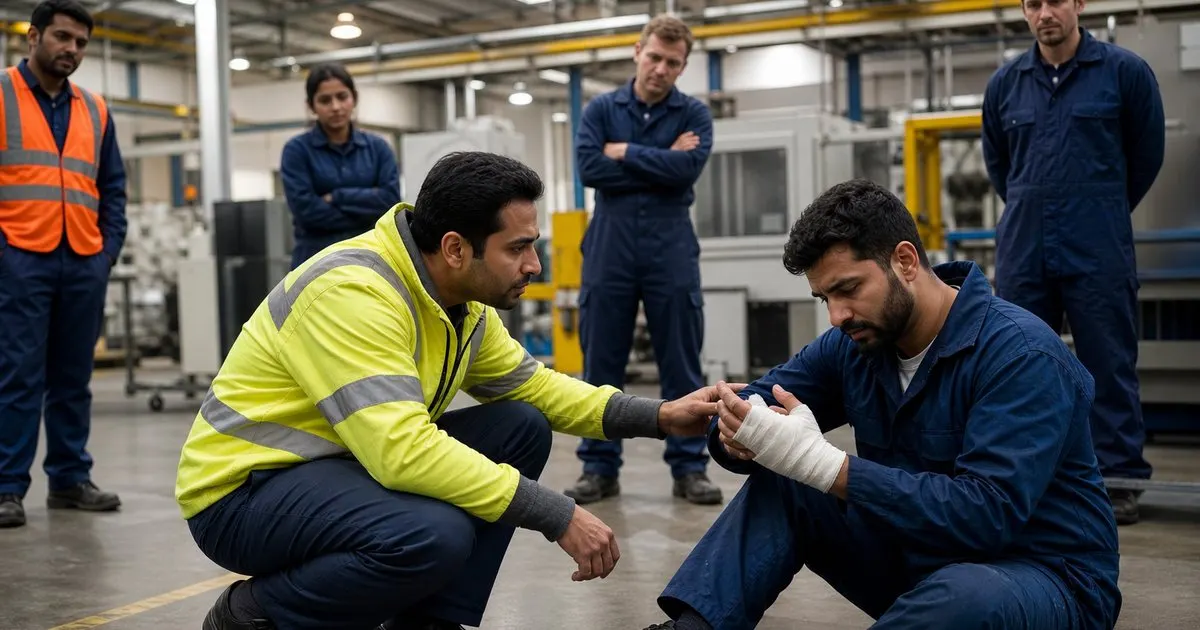
The first hour after an injury sets the tone for the worker's recovery, the investigation, and the company's legal standing. A step-by-step order of operations for the person in charge.
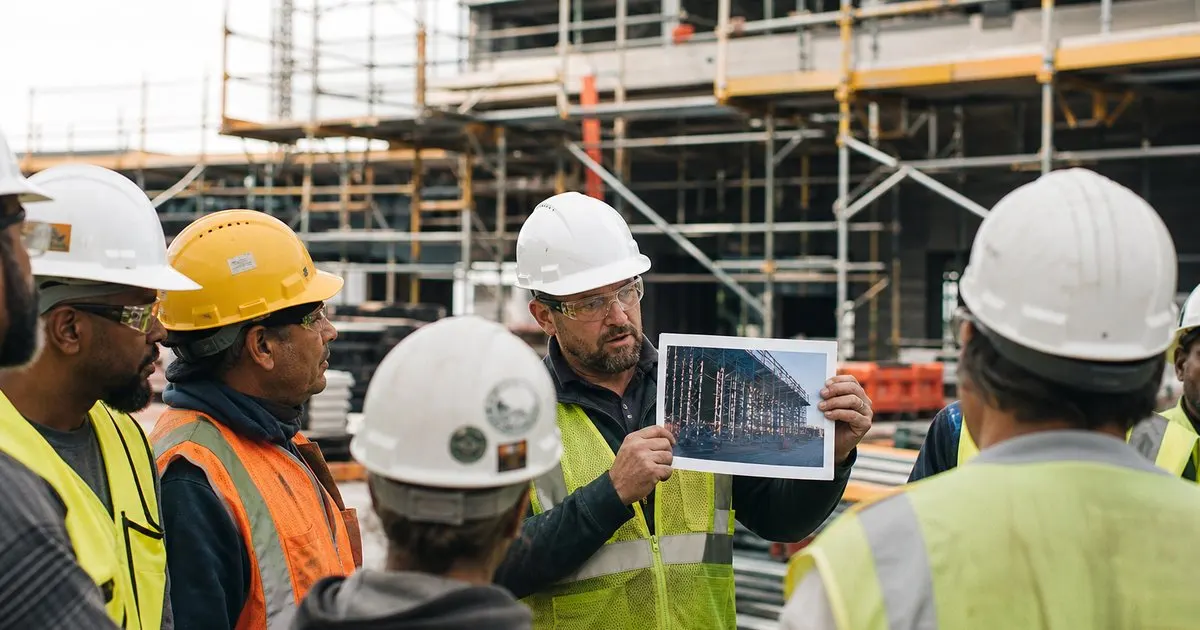
A hazard that cannot be described in a language the worker is comfortable with does not get reported. Practical ways to design reporting and training so language stops being a filter.

A worker alone at three in the morning has no one to notice a fall, a fume, or a medical event. How to build check-ins, task rules, and escalation that hold up when everything else is asleep.
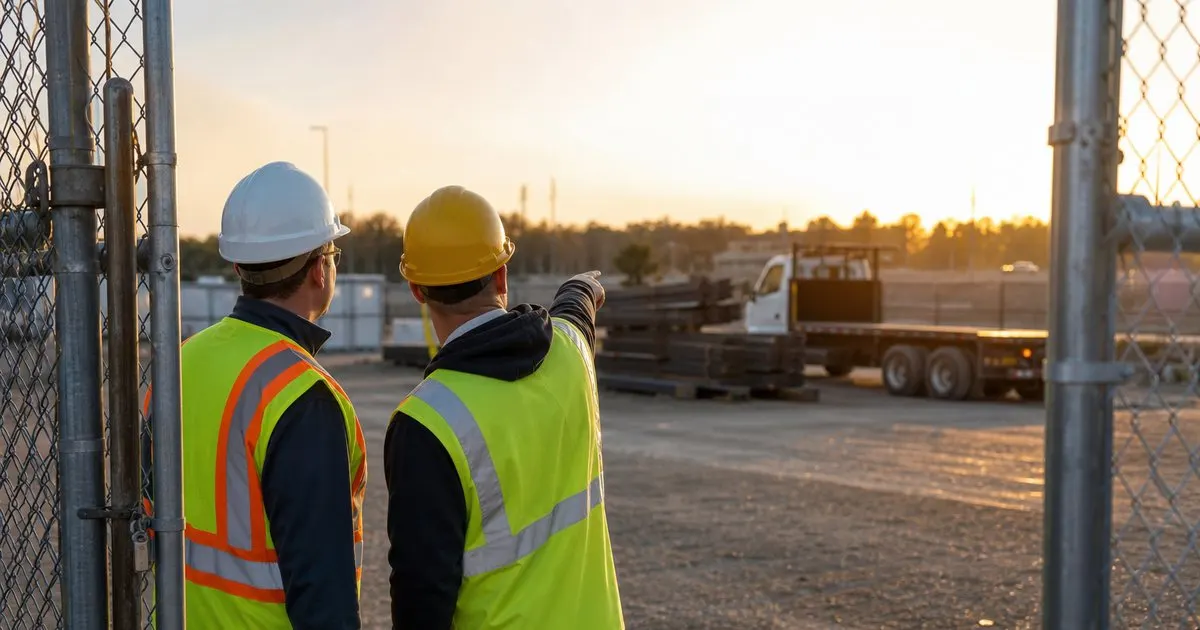
Contractors and staffing agency workers usually report to a different employer, so their injuries and near misses never reach the site log. Here is how a small operations team pulls them back in without running two programs.
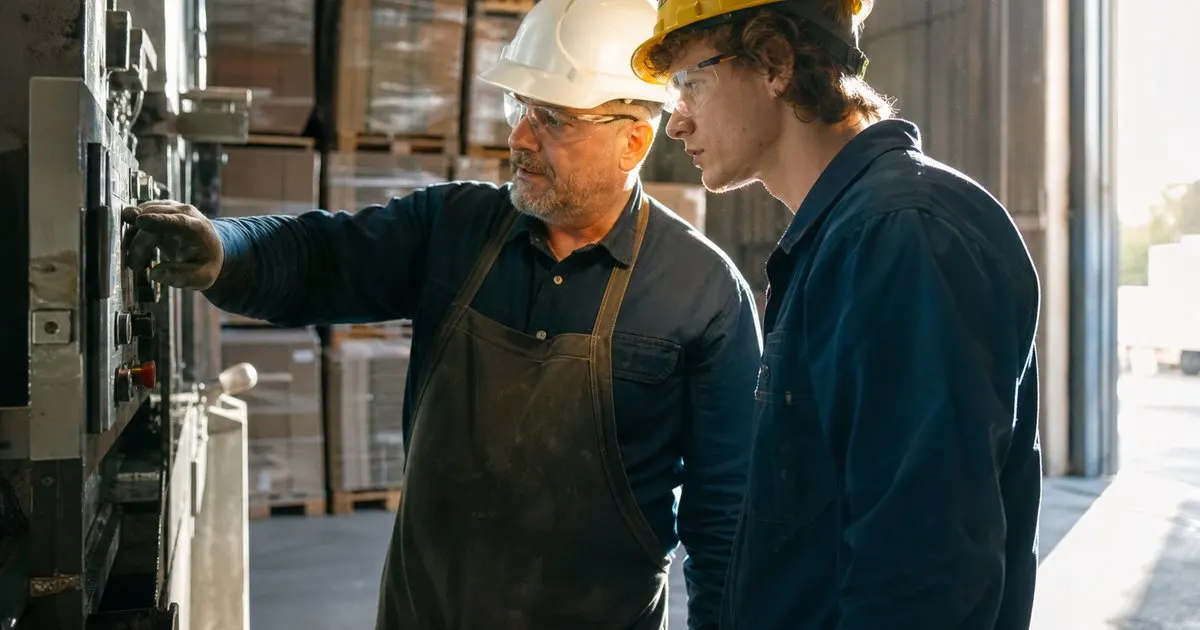
New employees, transfers and returning seasonal workers tend to get hurt early, and the reasons are structural rather than personal. Most of them can be addressed inside the first thirty days.